What Causes Toothache and How Dentists Treat It
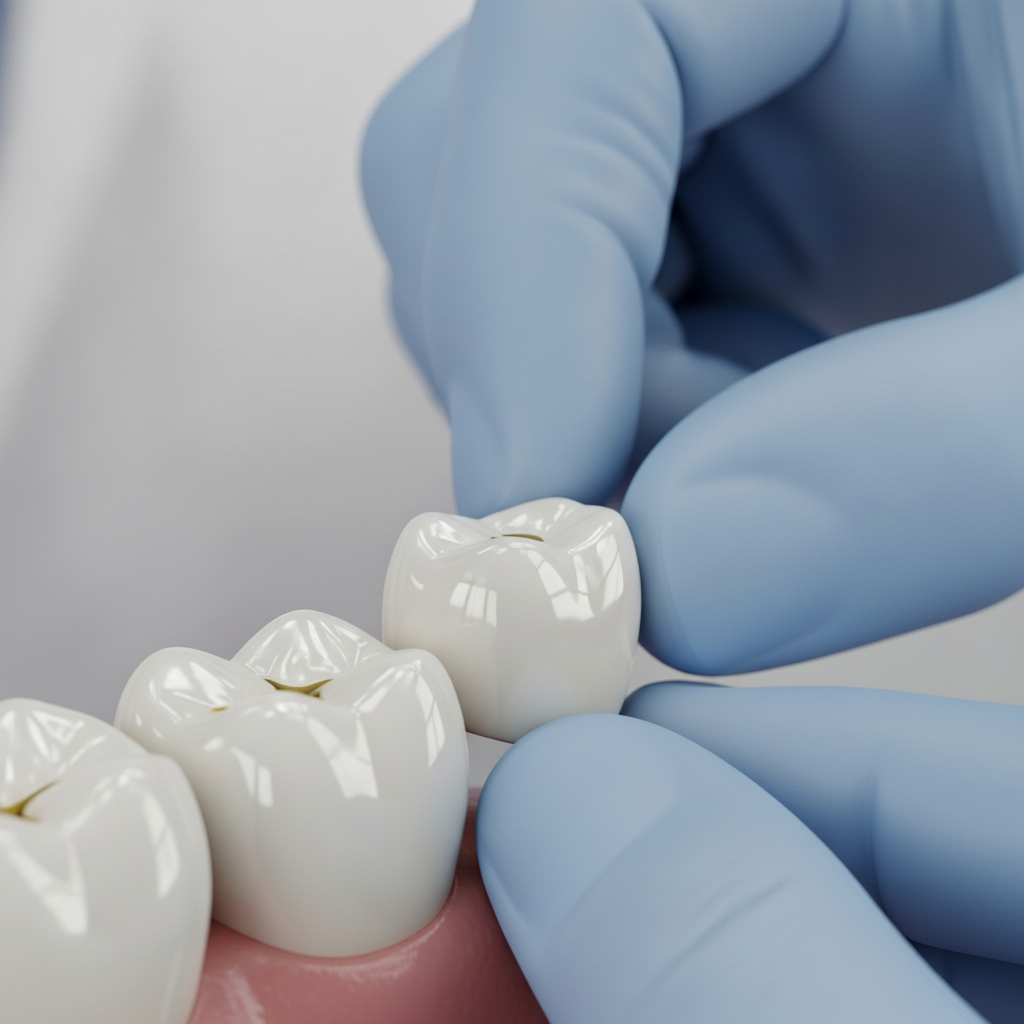
For toothaches caused by decay or minor fractures, the most common treatment is a dental restoration. A dentist will remove the decayed portion of the tooth and fill the space with a material like composite resin or porcelain. If the damage is extensive, a dental crown may be necessary. A crown is a cap that covers the entire tooth, providing strength and protection while restoring its shape and function. These procedures stop the progression of decay and seal the tooth from bacteria and irritants, thus eliminating the pain.
What Causes Toothache and How Dentists Treat It, a question that brings a sense of urgency and discomfort to anyone who has experienced it, is more than just a minor inconvenience. It is the body’s alarm system, signaling that something is wrong within the oral cavity. A toothache can range from a dull, persistent throb to a sharp, excruciating pain that disrupts daily life, making it difficult to eat, sleep, or concentrate. Understanding the root causes of this pain is the first step toward finding effective relief and preventing future occurrences. The complexity of our teeth, with their layers of enamel, dentin, and sensitive pulp, means that various issues can trigger this painful response. Ignoring a toothache can lead to more severe complications, including widespread infection and tooth loss, making a prompt and accurate diagnosis by a dental professional essential.
The Anatomy of a Tooth: Understanding Where Pain Originates
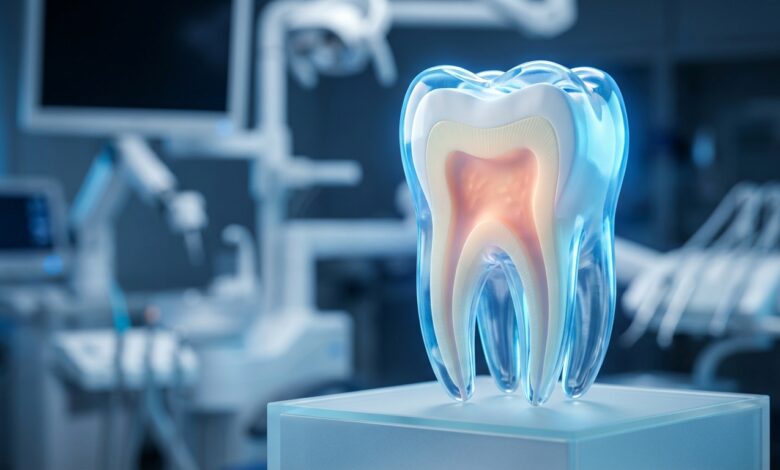
To comprehend why a tooth hurts, it is crucial to understand its basic structure. Each tooth is a complex living part of our body, not just a simple piece of bone. The outermost layer is the enamel, the hardest substance in the human body. It serves as a protective shield for the more sensitive inner layers. Beneath the enamel lies the dentin, a porous, yellowish tissue that is less mineralized than enamel. Dentin contains microscopic tubules that lead directly to the tooth’s core. At the center of the tooth is the pulp, a soft tissue containing blood vessels, connective tissue, and, most importantly, the tooth’s nerve. This nerve is responsible for sending pain signals to the brain when the pulp becomes inflamed or irritated. The entire tooth is anchored into the jawbone by its roots, which are covered by a layer called cementum. When any of these protective layers are compromised, the nerve within the pulp becomes vulnerable to stimuli like temperature changes, pressure, and bacteria, resulting in the sensation we identify as a toothache.
The Primary Culprits: What Causes Toothache?
A toothache is rarely a standalone issue; it is a symptom of an underlying problem. Identifying the specific cause is the primary role of a dentist, as the treatment plan depends entirely on the correct diagnosis. While there are numerous potential causes, several are far more common than others.
Tooth Decay (Dental Caries)
The most frequent cause of tooth pain is tooth decay. This process begins when bacteria in the mouth, primarily from plaque, consume sugars from food and produce acid as a byproduct. This acid attacks the tooth’s enamel, gradually dissolving its minerals in a process called demineralization. In the early stages, this may not cause any pain. However, as the acid erodes through the enamel and reaches the dentin, a cavity forms. Because dentin is porous and connected to the pulp, the tooth becomes sensitive to hot, cold, and sweet foods. If left untreated, the decay will progress deeper, eventually reaching the pulp. When bacteria infect the pulp, it causes severe inflammation, known as pulpitis. This condition leads to a persistent, often throbbing, pain that can be intense and is a clear sign that immediate dental intervention is necessary.
Dental Abscess
A dental abscess is a pocket of pus that forms due to a bacterial infection. This can occur at the tip of the tooth’s root (a periapical abscess) or in the gums next to a tooth root (a periodontal abscess). An abscess is often the result of untreated tooth decay that has allowed bacteria to invade and destroy the pulp. The body’s immune response rushes white blood cells to fight the infection, leading to the accumulation of pus. This creates significant pressure within the surrounding bone and tissues, causing severe, continuous, and throbbing pain. Other symptoms of an abscess include swelling in the face or cheek, fever, a foul taste in the mouth, and pain when chewing. A dental abscess is a serious condition that can lead to systemic infection if not treated promptly.
Gum Disease (Gingivitis and Periodontitis)
While often associated with bleeding or swollen gums, advanced gum disease can also be a significant source of tooth pain. The initial stage, gingivitis, is an inflammation of the gums. If not addressed, it can progress to periodontitis, a more severe condition where the inflammation spreads below the gum line. This causes the gums to pull away from the teeth, creating pockets that trap bacteria. The infection can destroy the bone and ligaments that support the teeth, leading to tooth mobility and, eventually, tooth loss. The pain associated with periodontitis can be a dull ache in the jaw, or it can be sharp if the roots of the teeth become exposed due to gum recession, making them highly sensitive to external stimuli.
Tooth Fractures or Trauma
A chipped, cracked, or fractured tooth can cause significant pain. Trauma from an accident, biting down on something hard, or even chronic teeth grinding (bruxism) can cause a crack in the tooth. These cracks can be microscopic and invisible to the naked eye, yet they can be deep enough to allow irritants to reach the pulp. The pain from a cracked tooth is often inconsistent; it might only hurt when you bite down in a certain way or when the tooth is exposed to temperature extremes. This type of pain can be difficult to diagnose without a thorough dental examination.
Deciphering the Pain: A Guide to Toothache Types
The specific sensation of a toothache can provide clues about its potential cause. While not a substitute for a professional diagnosis, understanding these differences can be helpful.
| Type of Pain | Common Sensations | Potential Causes |
|---|---|---|
| Sharp, Stabbing Pain | Sudden, intense, and often triggered by biting or air. | Cracked tooth, cavity (decay), loose or damaged filling. |
| Sensitivity to Hot/Cold | A short, sharp pain that occurs after contact with hot or cold foods/liquids and quickly fades. | Mild tooth decay, gum recession exposing tooth roots, worn enamel. |
| Throbbing, Persistent Pain | A deep, constant, rhythmic ache that doesn’t go away. Often feels like a “heartbeat” in the tooth. | Infected pulp (pulpitis), dental abscess. This often requires urgent care. |
| Dull, Aching Pain | A chronic, nagging ache often felt in the jaw or multiple teeth. | Teeth grinding (bruxism), sinus congestion referring pain to upper teeth, advanced gum disease. |
| Pain on Biting/Pressure | Pain that occurs specifically when chewing or putting pressure on a tooth. | Decay, a cracked tooth, a loose filling, or a dental abscess at the root. |
Professional Dental Treatments for Toothache Relief
Once a dentist has identified the cause of the toothache, they can recommend a specific treatment plan to resolve the pain and restore oral health. Self-treating with pain relievers is only a temporary measure and does not address the underlying issue.
Fillings, Crowns, and Restorations
Root Canal Therapy
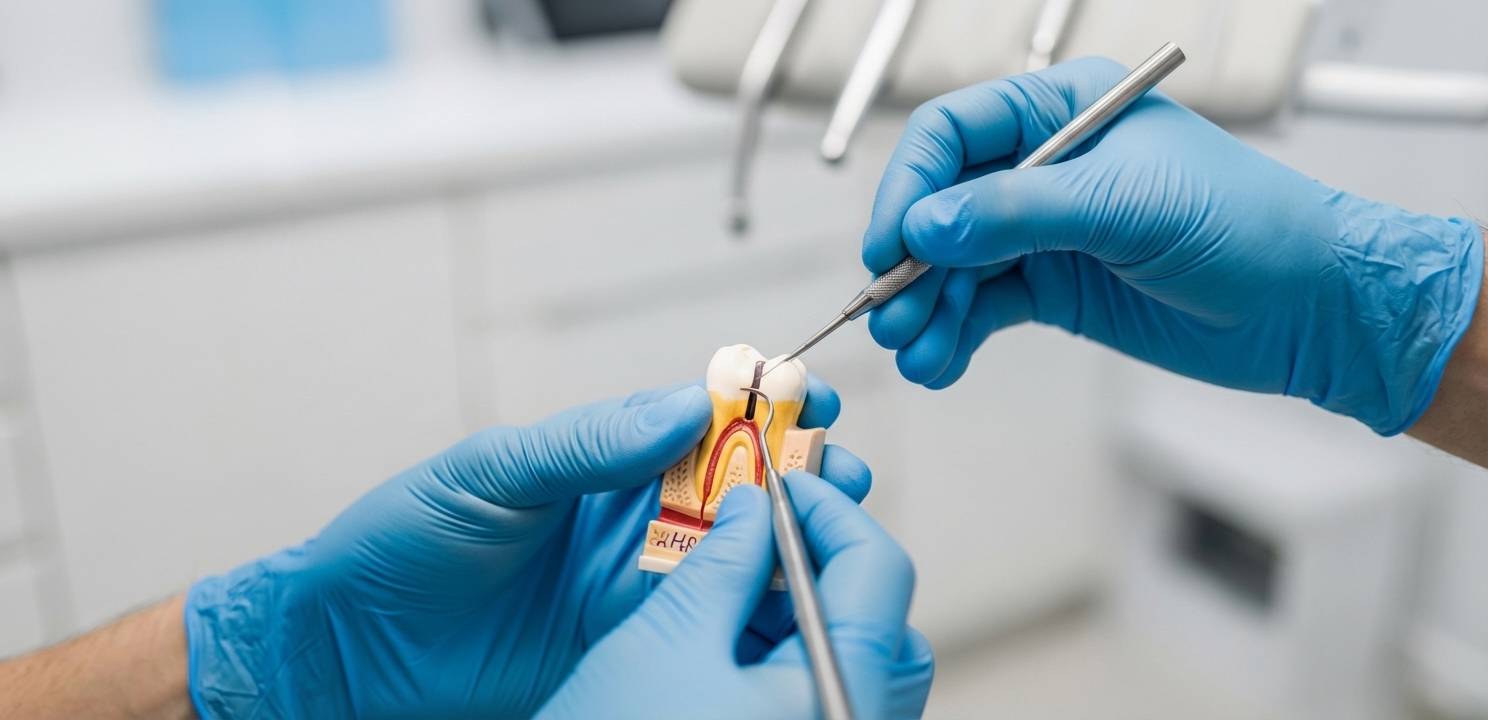
When the tooth’s pulp becomes infected, as in cases of a deep cavity or an abscess, a root canal is often the only way to save the tooth. Despite its intimidating reputation, a root canal is a straightforward procedure designed to relieve pain, not cause it. The dentist carefully removes the infected pulp, cleans and disinfects the inside of the tooth, and then fills and seals it. The tooth is no longer “alive” but remains fully functional. A crown is typically placed over the treated tooth to protect it from future fracture. The pathophysiology of this dental pain involves complex inflammatory responses within the pulp that root canal therapy directly resolves.
Tooth Extraction
In cases where the tooth is too severely damaged or infected to be saved through other means, an extraction may be the only option. This is generally considered a last resort. Removing the tooth will eliminate the source of the infection and pain, but it can lead to other issues, such as the shifting of adjacent teeth. The missing tooth can later be replaced with a dental implant, bridge, or denture. Seeking timely and advanced dental care is critical to avoid such outcomes. Many patients are now exploring international options for comprehensive treatments, which is a major reason why Canadians are choosing Turkey for cosmetic dentistry and other complex procedures.
Preventative Care and Oral Hygiene
The most effective way to deal with a toothache is to prevent it from ever happening. A robust oral hygiene routine is the foundation of this prevention. This includes brushing twice daily with fluoride toothpaste, flossing daily to remove plaque from between teeth, and using an antiseptic mouthwash. Regular dental check-ups and professional cleanings are equally important. These visits allow a dentist to detect and address potential problems like small cavities or early-stage gum disease before they escalate into painful, complex, and costly issues. A balanced diet low in sugar and acidic foods also plays a significant role in protecting tooth enamel and preventing decay.