Step-by-Step Guide to Getting Dental Implants in Turkey
Step-by-Step Guide to Getting Dental Implants in Turkey, a journey that combines world-class dental care with the opportunity to experience a vibrant culture. For international patients, particularly those from the UK, Europe, and North America, Turkey has emerged as a premier destination for high-quality, affordable dental work. This guide will demystify the process, outlining everything from the initial consultation to the final placement of your new, permanent teeth, ensuring you are fully informed and confident in your decision. The allure of Turkey is not just about cost savings; it’s about accessing advanced dental technology, highly experienced surgeons, and comprehensive care packages that make the entire experience seamless and stress-free.
The decision to get dental implants is a significant one. It’s a permanent solution for missing teeth that restores not only your smile but also your ability to chew, speak, and live without compromise. Unlike dentures or bridges, dental implants function like natural tooth roots, providing a stable foundation that prevents bone loss and preserves your facial structure. This advanced procedure requires precision, expertise, and top-tier materials, all of which are hallmarks of Turkey’s leading dental clinics.
What Are Dental Implants? A Foundation for Your New Smile
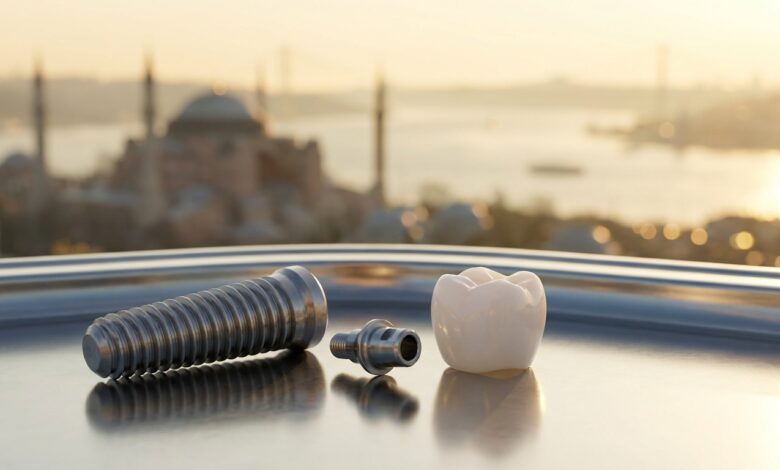
Before embarking on the treatment journey, it’s crucial to understand the anatomy of a dental implant. It is not a single piece but a sophisticated three-part system designed to replicate a natural tooth from root to crown. Understanding these components helps appreciate the precision and biological process involved in the treatment.
The Implant Post: This is a small, screw-like post typically made from biocompatible titanium. This material is chosen for its remarkable ability to fuse directly with human bone in a process known as osseointegration. The post is surgically placed into the jawbone, where it acts as a new, artificial tooth root. This fusion is the cornerstone of the implant’s stability and longevity. The success of this process is well-documented in scientific literature, highlighting the reliability of modern implantology. A comprehensive review on the topic can be found in a study on the long-term success of dental implants, which underscores the high success rates when performed correctly.
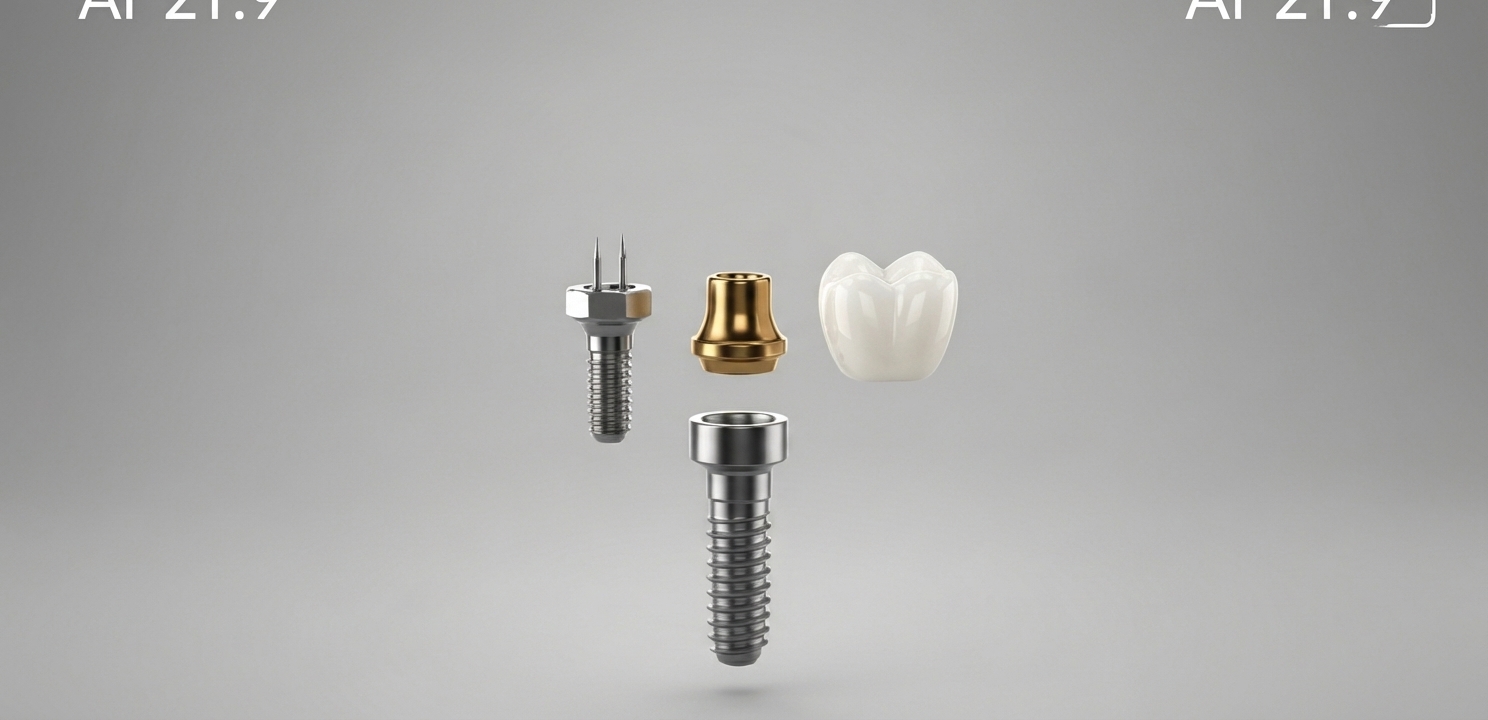
The Abutment: After the implant post has fully integrated with the jawbone—a process that can take several months—a connector piece called an abutment is attached. The abutment sits at or just above the gum line and serves as the docking station for the final restoration. It securely links the subterranean implant post to the visible crown.
The Crown: The final piece is the custom-made crown, which is the part that looks and functions like a natural tooth. Crafted from high-grade materials like porcelain or zirconia, the crown is meticulously designed to match the color, shape, and size of your surrounding teeth. Modern clinics use CAD/CAM (Computer-Aided Design/Computer-Aided Manufacturing) technology to create crowns with incredible accuracy, ensuring a perfect fit and a seamless, natural-looking smile.
The Step-by-Step Journey for Dental Implants in Turkey
The process for receiving dental implants in Turkey is typically structured across two separate visits. This two-phase approach is essential to allow for the critical healing and osseointegration period, which ensures the implant’s long-term success. The timeline is efficient, designed to minimize your time away from home while maximizing the quality of your clinical outcome.
Phase 1: The Initial Trip for Consultation and Implant Placement
Your first visit is focused on diagnostics and the surgical placement of the titanium implant posts. This trip usually lasts between 5 to 7 days. Upon arrival, your first appointment will involve a thorough examination. This includes advanced 3D cone-beam computed tomography (CBCT) scans, which provide a detailed view of your jawbone density, nerve pathways, and sinus cavities. This imaging is critical for precise planning, allowing the surgeon to determine the optimal location, angle, and size for each implant. Based on this data, a personalized treatment plan is finalized and presented to you.
The surgical procedure itself is performed under local anesthesia, ensuring you are completely comfortable and pain-free. The surgeon makes a small incision in the gum to expose the bone, then carefully prepares the site and places the implant post. The gums are then sutured, and a protective healing cap may be placed over the implant. You will be provided with post-operative instructions, including medication for any discomfort and antibiotics to prevent infection.
Phase 2: The Healing Period and Final Restoration
Following your first trip, you will return home for a healing period of approximately 3 to 6 months. This is the most crucial phase of the entire process. During this time, osseointegration occurs, where your jawbone grows around and fuses with the titanium implant, creating an incredibly strong and stable foundation. This biological bond is what makes dental implants the gold standard for tooth replacement.
Once your dentist in Turkey confirms, through follow-up communication, that integration is successful, you will plan your second trip. This visit is typically shorter, around 5 to 7 days. During this trip, the implant is exposed, the abutment is attached, and digital impressions are taken for your permanent crown. The on-site dental laboratory will then fabricate your custom crown. In the final appointment, the crown is expertly fitted, adjusted for a perfect bite, and permanently secured to the abutment, completing your new smile.
| Phase | Typical Duration | Key Activities |
|---|---|---|
| Remote Consultation | 1-2 Weeks | Sending initial records (X-rays), video consultation, receiving preliminary treatment plan and quote. |
| Visit 1: Implant Surgery | 5-7 Days in Turkey | In-depth consultation, 3D CBCT scans, surgical placement of titanium implant(s), post-op checks. |
| Healing Period | 3-6 Months at Home | Osseointegration occurs as the jawbone fuses with the implant. Communication with the clinic as needed. |
| Visit 2: Crown Placement | 5-7 Days in Turkey | Exposing the implant, placing the abutment, taking final impressions, fitting the permanent custom crown. |
Why Choose Turkey for Your Dental Implant Procedure?
The global rise of dental tourism is undeniable, and Turkey stands at the forefront of this movement. The country offers a compelling combination of quality, affordability, and patient experience that is difficult to match.
Unmatched Cost-Effectiveness
The most significant driver for many patients is the cost. The price of a single dental implant in countries like the US, Canada, or the UK can be prohibitive. In Turkey, patients can often receive the same—or even superior—treatment for a fraction of the cost. This isn’t due to lower quality but is a result of the country’s lower operational costs, favorable exchange rates, and government support for medical tourism. The savings are substantial, even after factoring in the cost of flights and accommodation. For many, this makes an ideal smile an attainable reality rather than a distant dream. You can learn more through a detailed dental implants in Turkey vs Canada cost comparison guide.
Advanced Technology and High-Quality Materials
Leading Turkish dental clinics are equipped with the latest in dental technology. From 3D imaging for precise planning to CAD/CAM systems for in-house crown milling, these tools enhance accuracy, reduce treatment time, and improve outcomes. Furthermore, clinics use globally recognized, top-tier implant brands from countries like Switzerland and Germany, ensuring that the materials placed in your jaw are of the highest international standards, offering reliability and longevity.
Highly Skilled and Experienced Dentists
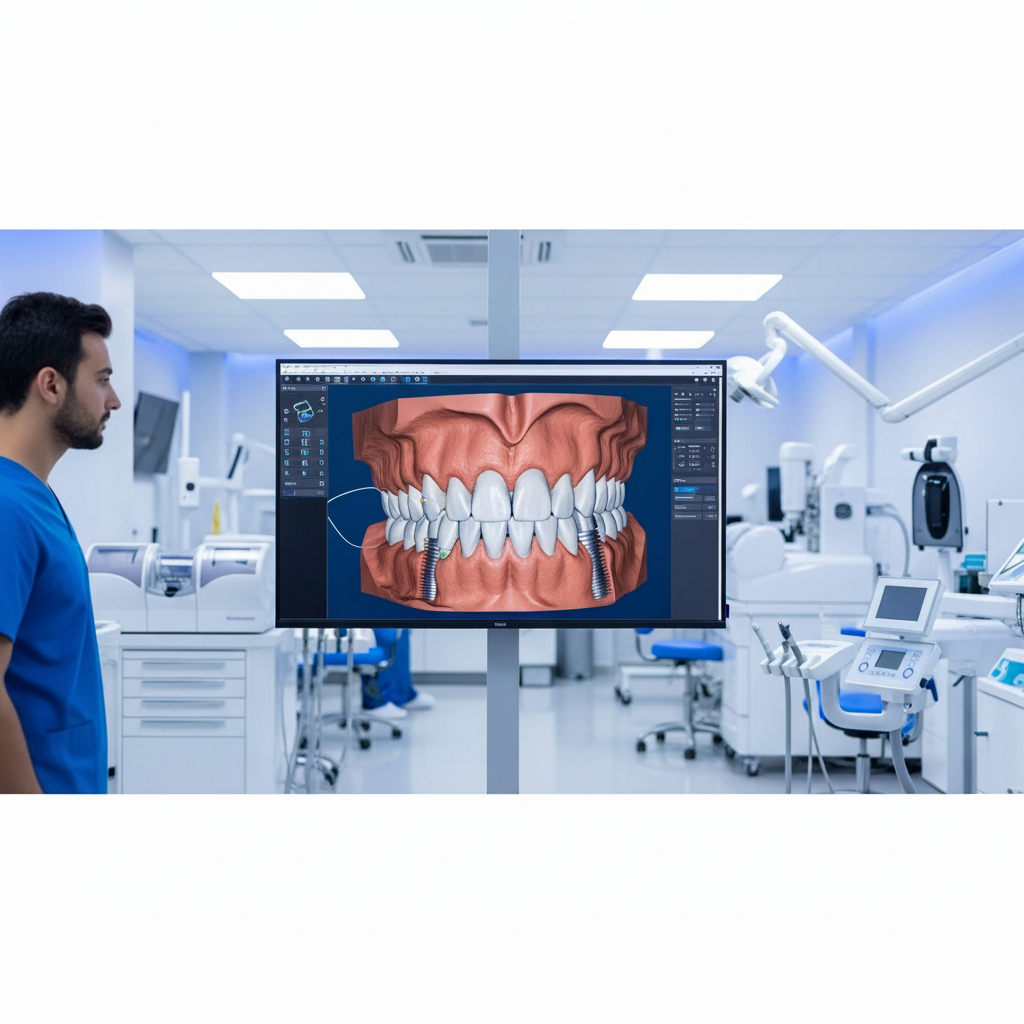
Turkish dentists and oral surgeons undergo rigorous training and education. Many pursue further specialization in implantology and cosmetic dentistry at prestigious institutions across Europe and the United States. Due to the high volume of international patients, these specialists accumulate a vast amount of hands-on experience, performing thousands of implant procedures. This depth of experience translates into a high degree of skill and proficiency in handling both straightforward and complex cases.