When Can You Eat After Dental Implants

When Can You Eat After Dental Implants is one of the most pressing questions patients have after undergoing this life-changing procedure. The excitement of restoring your smile is often tempered by the practicalities of recovery, with diet being a primary concern. The answer isn’t a simple one-day affair; it’s a phased journey that directly impacts the success of your implant. Following a structured dietary plan is not merely about comfort—it is a critical component of the healing process, ensuring the implant integrates properly with your jawbone, a process known as osseointegration. This guide will provide a comprehensive timeline and detailed recommendations to help you navigate your post-operative diet with confidence, safeguarding your investment and paving the way for a lifetime of healthy smiles.
The Immediate Post-Surgery Phase: The First 24-48 Hours
The first two days following your dental implant surgery are the most critical for initial healing. Your primary goal is to protect the surgical site, manage swelling, and allow a stable blood clot to form, which is essential for healing. During this period, your diet must be strictly limited to cool liquids and extremely soft, smooth foods that require no chewing whatsoever. Chewing can exert pressure on the new implant, disturb the sutures, and introduce food particles into the wound, increasing the risk of infection and inflammation.
Acceptable Foods and Drinks
During this initial 48-hour window, focus on nourishment that is easy to consume and gentle on your mouth.
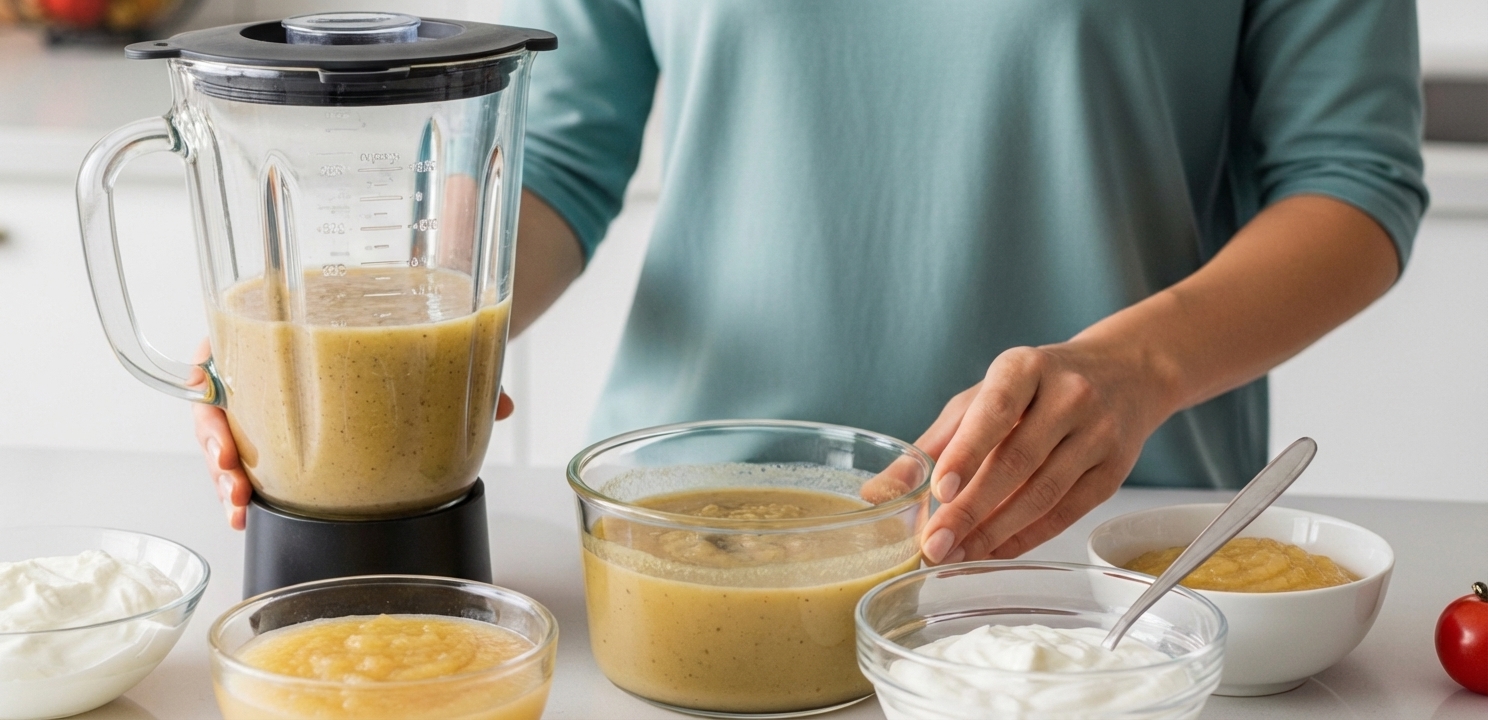
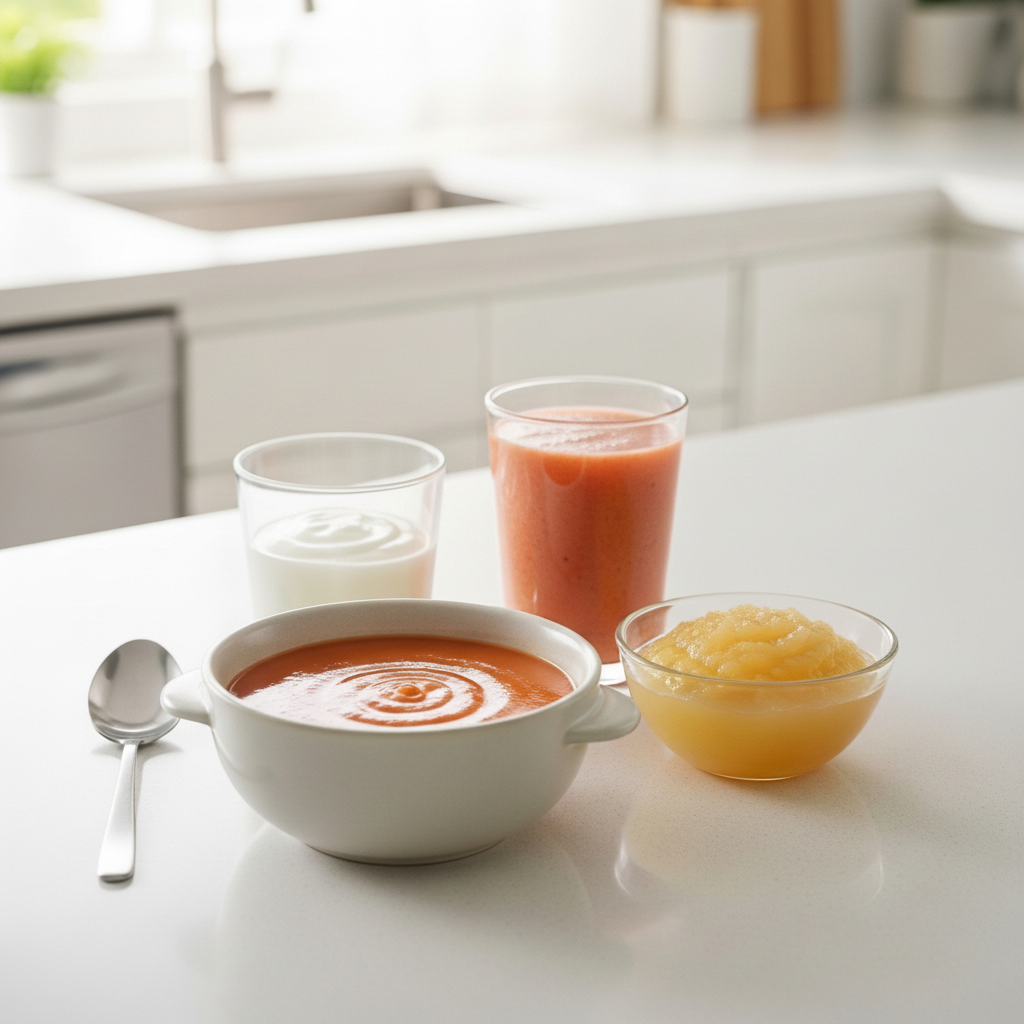
- Cool or Lukewarm Soups: Clear broths or smooth, blended soups like tomato or pumpkin are ideal. Ensure they are not hot, as heat can increase swelling and bleeding.
- Yogurt and Kefir: Plain, unsweetened yogurt provides protein and probiotics without requiring any chewing.
- Smoothies and Protein Shakes: These are excellent for getting essential nutrients. Blend fruits like bananas and avocados with protein powder and milk or a milk alternative. Critically, do not use a straw. The suction created by a straw can dislodge the blood clot over the surgical site, leading to a painful condition called dry socket.
- Applesauce and Other Fruit Purées: Smooth, seedless fruit purées are easy to swallow and provide vitamins.
- Puddings and Gelatin: These require no chewing and can be a comforting treat.
Foods and Habits to Avoid
Equally important is knowing what to avoid. Steer clear of anything that could compromise the healing site. This includes hot beverages, alcohol (which can interfere with medication and healing), spicy foods that can irritate the wound, and any food with small seeds or grains that could get lodged in the surgical area.
A Detailed Timeline for Your Post-Implant Diet
As your mouth begins to heal, you can gradually reintroduce different food textures. This phased approach minimizes stress on the implant and surrounding tissues, promoting successful osseointegration. The timeline below is a general guide; your surgeon will provide specific instructions based on your individual case, such as the number of implants placed and whether a bone graft was performed.
| Timeframe | Recommended Foods | Foods to Avoid | Rationale |
|---|---|---|---|
| Day 1 – 3 | Cool liquids, smoothies (no straw), lukewarm blended soups, yogurt, applesauce, protein shakes. | Anything hot, hard, crunchy, spicy, or sticky. All chewing. No straws or alcohol. | To protect the blood clot, minimize swelling, and avoid any pressure or irritation on the surgical site. |
| Day 4 – Week 2 | Mashed potatoes, scrambled eggs, oatmeal, soft cooked fish (flaked), cottage cheese, soft tofu, ripe bananas. | Bread, rice, pasta, meats, raw vegetables, chips, nuts, seeds. | Introducing soft foods that require minimal chewing, allowing the gums to continue healing without stress. |
| Week 2 – Week 6 | Soft-cooked pasta, well-cooked rice, ground meat (soft), steamed vegetables (fork-tender), soft cheeses. | Steak, crusty bread, raw apples or carrots, popcorn, hard candy. | Gradually increasing texture as jaw strength returns and initial gum healing is complete. The implant is still integrating. |
| Week 6 – 3 Months | Tender meats (chicken, fish), softer fruits, and most cooked vegetables. You can begin to gently chew near the implant site. | Very hard items like nuts, ice, hard pretzels, and very chewy foods like tough caramels. | Osseointegration is well underway. The goal is to slowly reintroduce normal chewing forces to strengthen the bone. |
| 3 – 6 Months+ | Most foods can be reintroduced. After your final crown is placed, you can typically return to a normal diet. | Use caution with extremely hard foods (e.g., cracking nut shells with teeth, chewing ice). | Osseointegration is complete. The implant is stable and can withstand normal biting and chewing forces. |
Nutritional Considerations for Optimal Healing
Your body is working hard to heal, and providing it with the right nutrients can significantly speed up the process and improve the outcome. Focus on a balanced diet rich in vitamins and minerals that support tissue and bone repair. Protein is the building block for tissue repair, so ensure your soft-food diet includes sources like protein shakes, eggs, and soft fish. Vitamin C is crucial for collagen synthesis, which helps in gum healing. Calcium and Vitamin D are fundamental for bone health and are vital for the osseointegration process where the implant fuses with your jawbone. You can find these in dairy products, fortified milk alternatives, and soft-cooked leafy greens.
What Happens if You Eat Hard Foods Too Soon?
Ignoring dietary restrictions is one of the quickest ways to jeopardize your dental implant. The desire to return to normal eating is understandable, but the consequences of rushing the process can be severe and costly. Eating hard, crunchy, or chewy foods before the implant has fully integrated with the jawbone can create micro-movements of the implant post. This movement disrupts the delicate process of osseointegration, preventing the bone from securely bonding to the implant surface. This is a primary cause of implant failure. Furthermore, premature pressure can cause significant pain, inflammation, and damage to the healing gum tissue. It can also harm the temporary restoration or healing abutment placed on the implant. Understanding the full scope of potential issues is important, which is why patients should be aware of all dental implant risks and side effects, many of which can be mitigated by following post-operative instructions carefully.
When Can You Eat After Dental Implants: Special Considerations
While the general timeline provides a solid framework, certain factors can influence your personal recovery path and dietary needs. The complexity of your surgery and your overall health play significant roles in determining your specific timeline.
Single Implant vs. Full Arch Restorations
A patient receiving a single implant will likely have a quicker and simpler recovery than someone undergoing a full arch restoration (such as an All-on-4 or All-on-6 procedure). More extensive surgeries involve greater trauma to the jaw and soft tissues, necessitating a longer period of a liquid or soft-food diet to allow for widespread healing.
Bone Grafting and Sinus Lifts
If your procedure included a bone graft or a sinus lift to create a more stable foundation for the implant, your dietary restrictions will be stricter and last longer. The graft material needs to be completely undisturbed to integrate successfully with your existing bone. Any undue pressure from chewing can compromise the graft, leading to its failure and, consequently, the failure of the implant.
General Health and Lifestyle Habits
Your body’s overall ability to heal is a major factor. Systemic conditions can affect healing and osseointegration. For example, uncontrolled diabetes can slow down the healing process and increase the risk of infection. Similarly, smoking is highly detrimental to implant success. It restricts blood flow to the gums and bone, hindering healing and significantly increasing the chance of implant failure. Authoritative research published by the National Center for Biotechnology Information consistently highlights the negative impact of such systemic factors on dental implant outcomes. Patients with these conditions must be especially diligent with their post-operative care and diet.
Practical Tips for a Smooth Dietary Recovery
Navigating the post-implant diet can be challenging, but with some preparation, it can be a smooth process. Plan your meals in advance for the first week, stocking your kitchen with approved liquids and soft foods. This removes the stress of figuring out what to eat when you are feeling tired after surgery. When you do begin to chew again, make a conscious effort to use the side of your mouth opposite the surgical site. This protects the implant from direct pressure. Remember to stay well-hydrated with water, as this aids in healing and overall health. Finally, maintain excellent oral hygiene as directed by your surgeon. This usually involves gentle rinsing with a prescribed mouthwash or warm salt water after meals to keep the area clean without disturbing the sutures or implant site.