Dental Implant Risks and Side Effects
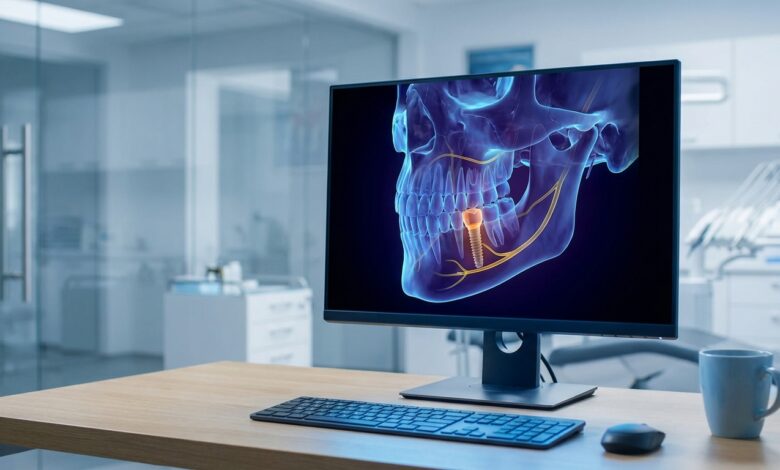
Dental Implant Risks and Side Effects are an important consideration for anyone exploring this highly effective tooth replacement solution. While dental implants boast a success rate of over 95%, making them one of the most reliable procedures in modern dentistry, it is crucial for patients to have a comprehensive understanding of the potential challenges. Like any surgical procedure, the placement of a dental implant involves a healing process and carries a set of potential complications, ranging from common, minor side effects to rarer, more significant issues. A thorough awareness of these factors empowers patients to make informed decisions, prepare adequately for the procedure, and play an active role in ensuring a successful, long-lasting outcome. Proper planning, a skilled surgeon, and diligent post-operative care are the cornerstones of minimizing these risks.
Understanding the Dental Implant Process
To fully grasp the potential risks, it’s helpful to understand the key stages of the dental implant procedure. This is not a single-day event but a multi-step process that relies on the body’s natural healing capabilities. The journey typically begins with a detailed consultation, including advanced imaging like 3D CBCT scans, to assess bone density and map the precise location for the implant.
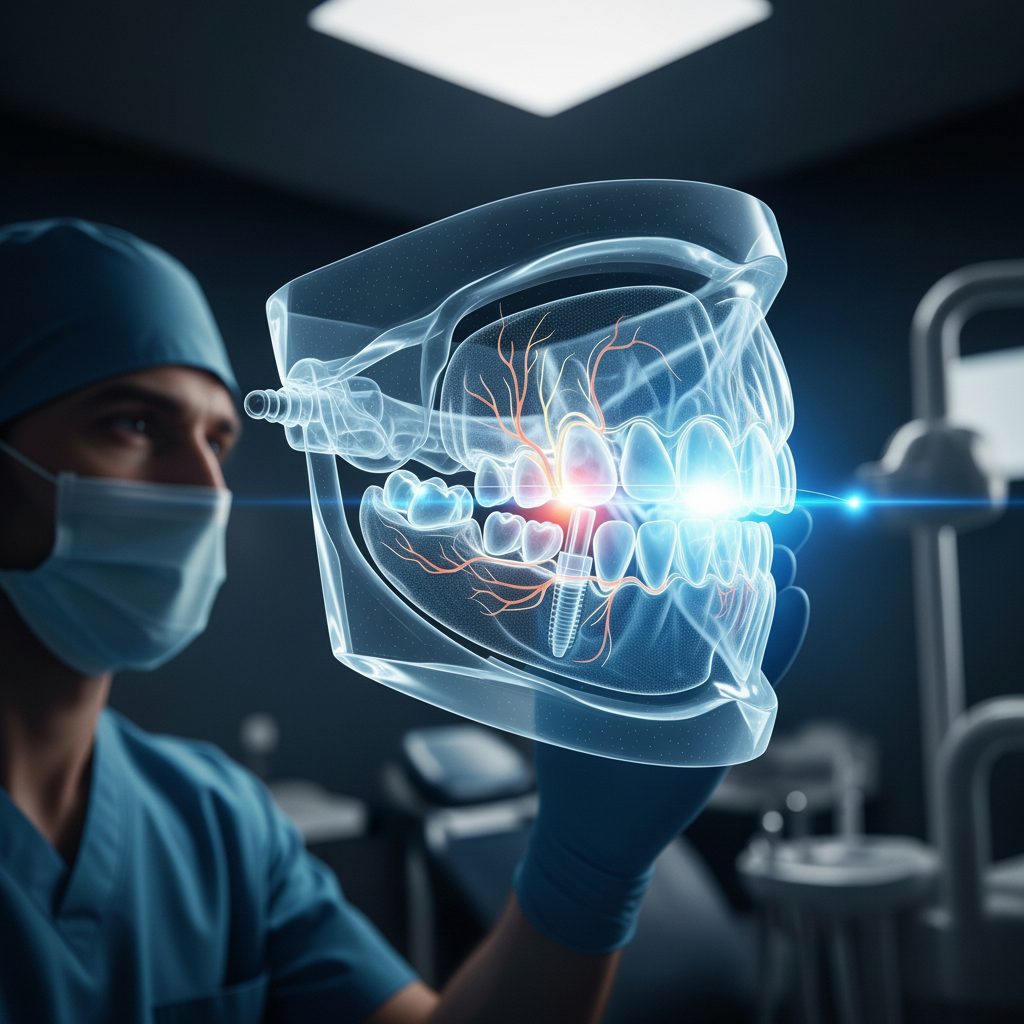
The first surgical stage involves the placement of the implant itself. The implant, a small screw-like post typically made of titanium, is surgically embedded into the jawbone. This site is then closed with sutures and allowed to heal. The most critical phase, known as osseointegration, follows. Over a period of several months, the jawbone grows around and fuses directly with the implant surface, creating an incredibly strong and stable foundation. Once osseointegration is complete, a second, smaller procedure may be required to place an abutment, which is the connector piece that will hold the final crown. Finally, a custom-made crown, designed to match the color and shape of the surrounding teeth, is attached to the abutment, completing the restoration.
Immediate and Short-Term Post-Surgical Side Effects
Following the surgical placement of the implant, patients can expect some common and entirely normal side effects as the body begins the healing process. These are typically temporary and can be managed effectively with proper care.
Pain and Discomfort
It is normal to experience some level of discomfort after the anesthesia wears off. The intensity of this pain is usually mild to moderate and is often described as similar to that of a tooth extraction. Your dental surgeon will provide a prescription for pain medication or recommend over-the-counter anti-inflammatory drugs like ibuprofen to manage this effectively. The discomfort typically peaks within the first 48-72 hours and gradually subsides over the following week.
Swelling and Bruising
Swelling of the gums and face around the surgical area is a very common response. Bruising on the skin may also occur. The extent of swelling and bruising varies from person to person. Applying an ice pack to the cheek for 15-20 minutes at a time during the first 24-48 hours can significantly help reduce inflammation and discomfort. Keeping your head elevated, even while sleeping, can also help minimize swelling.
Minor Bleeding
Some minor oozing or bleeding from the surgical site is expected for the first day or two after the procedure. This can usually be controlled by gently biting down on a piece of sterile gauze placed over the area. It is important to avoid vigorous rinsing, spitting, or drinking through a straw, as these actions can dislodge the blood clot that is crucial for healing.
A Deeper Dive into Dental Implant Risks and Side Effects
Beyond the immediate, expected side effects, there are more significant risks and complications that, while less common, require careful consideration. Many of these can be prevented or successfully treated when identified early.
Infection at the Implant Site
An infection is one of the most significant risks following any surgery. It can occur if bacteria enter the surgical site during or after the procedure. Signs of an infection include persistent or worsening pain, prolonged swelling, pus or discharge from the implant area, a foul taste, and fever. To prevent this, surgeons operate in a sterile environment and often prescribe a course of antibiotics. Diligent oral hygiene from the patient is paramount for prevention during the healing phase.
Nerve or Tissue Damage
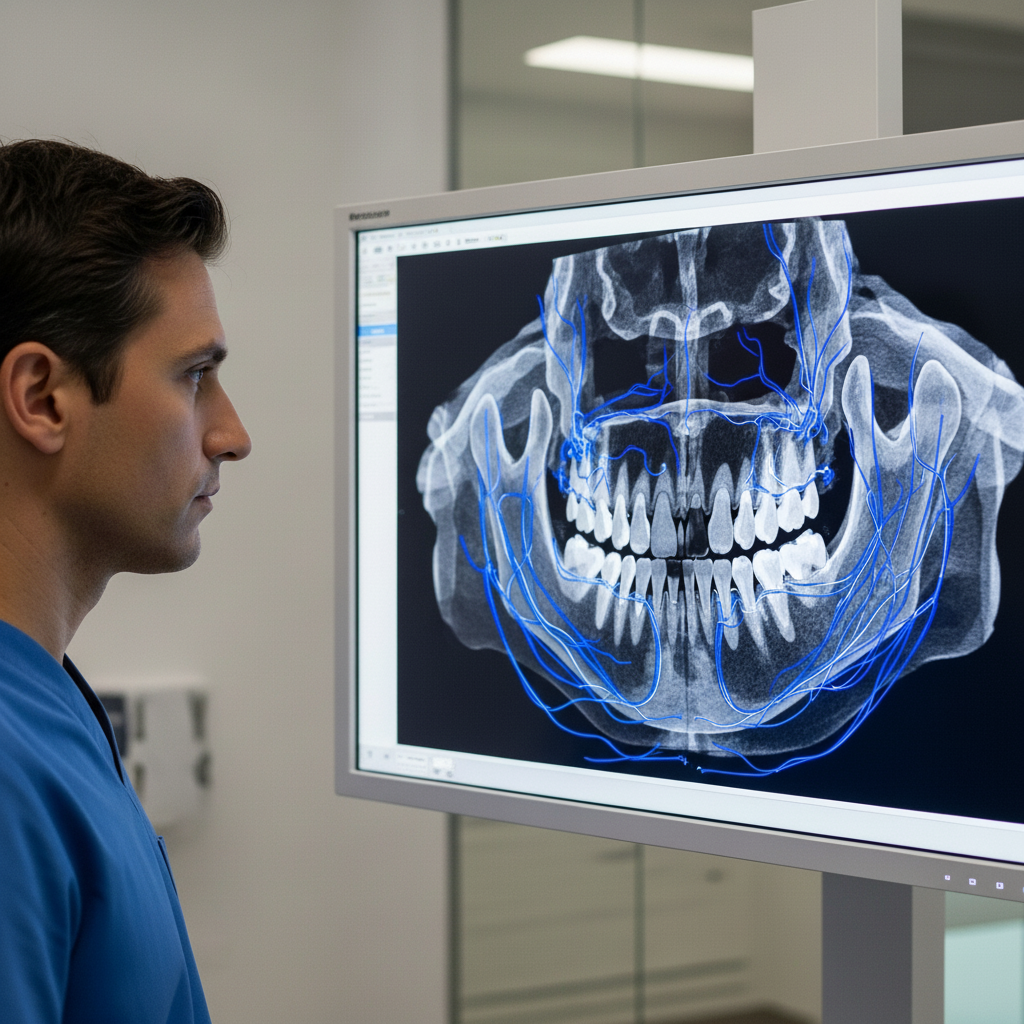
The jawbone contains several important nerves. While rare, it is possible for a nerve to be bruised or damaged during the implant placement, particularly in the lower jaw. This can lead to numbness, tingling, or pain in the natural teeth, gums, lips, or chin. The risk is minimized significantly through meticulous pre-operative planning using 3D imaging, which allows the surgeon to map the exact location of nerves and place the implant with precision.
Sinus Complications
When implants are placed in the upper jaw, there is a risk of protruding into the sinus cavity located above. This can lead to a sinus membrane perforation and potentially cause sinus inflammation or infection. To prevent this in patients with insufficient bone height in the upper jaw, a procedure called a sinus lift or sinus augmentation is often performed first. This adds bone to the area, creating a stable and safe foundation for the implant away from the sinus cavity.
Long-Term Complications and Implant Failure
The long-term success of a dental implant depends on successful osseointegration and continued maintenance. Some complications can arise months or even years after the procedure.
Failure of Osseointegration
The entire stability of a dental implant relies on it fusing with the jawbone. If osseointegration fails, the implant will become loose and will need to be removed. This can be caused by several factors, including insufficient bone density, the implant being subjected to pressure too early, infection, smoking (which impairs healing), or certain uncontrolled medical conditions like diabetes. A thorough medical evaluation before surgery is key to identifying these risk factors.
Peri-implantitis
Peri-implantitis is a destructive inflammatory condition affecting the gum and bone surrounding a dental implant. It is similar to gum disease (periodontitis) around a natural tooth. It is often caused by an accumulation of bacterial plaque due to poor oral hygiene. If left untreated, it leads to bone loss and can result in the failure of the implant. Regular dental check-ups and a rigorous daily cleaning routine are essential for preventing peri-implantitis.
Mechanical or Structural Problems
Over time, mechanical issues can occur. The abutment screw can loosen, or the porcelain on the crown can chip or fracture. In very rare cases, the implant itself can fracture under extreme force. The likelihood of these issues is greatly reduced by using high-quality components and ensuring the bite is properly balanced. The choice of materials is a critical factor in long-term durability. Understanding the difference between various dental implant materials is important for ensuring the longevity of the restoration.
Managing and Mitigating Potential Complications
The vast majority of dental implant procedures are successful without any major complications. Choosing an experienced and qualified dental team, adhering to all pre- and post-operative instructions, and committing to excellent long-term oral care are the best ways to ensure a positive outcome. Numerous studies highlight that patient-related factors and diligent aftercare play a significant role in long-term success. According to a comprehensive review on implant complications, proactive monitoring and maintenance are key to preventing many long-term issues, as detailed in research available from the National Center for Biotechnology Information.
The following table summarizes some common risks and how they are typically managed:
| Risk or Side Effect | Common Symptoms | Mitigation and Management Strategy |
|---|---|---|
| Infection | Persistent pain, swelling, pus, fever | Pre-operative antibiotics, sterile surgical technique, post-operative oral hygiene, prompt evaluation by surgeon if symptoms appear. |
| Nerve Damage | Numbness, tingling, or pain in lip, chin, or gums | Meticulous pre-surgical planning with 3D CBCT scans to map nerve pathways. Most cases are temporary and resolve over time. |
| Failed Osseointegration | Implant feels loose or mobile | Thorough patient screening for risk factors (smoking, bone density), allowing adequate healing time, and gentle initial use of the crown. |
| Peri-implantitis | Bleeding gums, inflammation around the implant, deepening pockets | Rigorous daily oral hygiene (brushing, flossing), regular professional cleanings, and avoiding smoking. |
| Swelling & Bruising | Visible swelling and discoloration of the face/gums | Application of ice packs for the first 48 hours, keeping the head elevated, and following a soft-food diet initially. |
Ultimately, dental implants represent a remarkable advancement in restorative dentistry, offering a durable, functional, and aesthetically pleasing solution for missing teeth. While risks exist, they are well-understood and largely preventable through a combination of expert surgical care and dedicated patient compliance. Communicating openly with your dental surgeon about your health history and any concerns you may have is the first step toward a safe and successful implant journey.