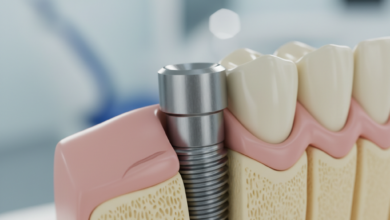
Dental Implant Materials Comparison
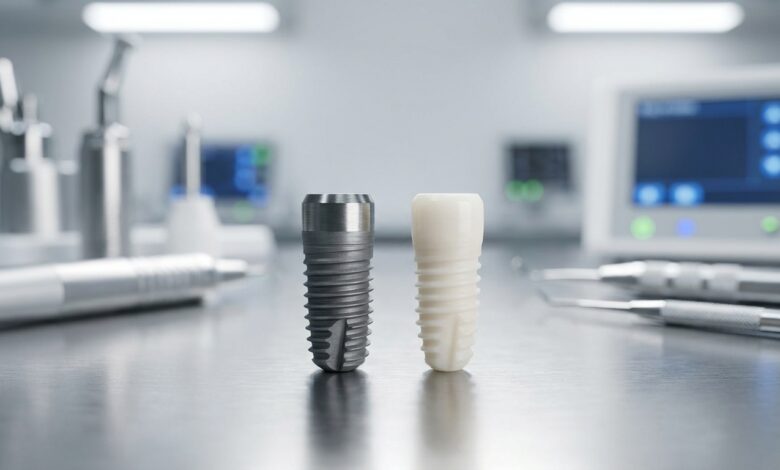
Dental Implant Materials Comparison is a critical topic for anyone considering this life-changing tooth replacement solution. The success, longevity, and aesthetic outcome of a dental implant are heavily influenced by the material from which it is made. For decades, titanium has been the undisputed champion in implantology, but recent advancements have brought ceramic materials like zirconia to the forefront, offering patients more choice than ever before. Understanding the distinct properties, benefits, and considerations of each material is the first step towards making an informed decision in partnership with your dental professional. This guide will delve deep into the science and practical application of the most common dental implant materials, providing a clear framework for evaluating your options.
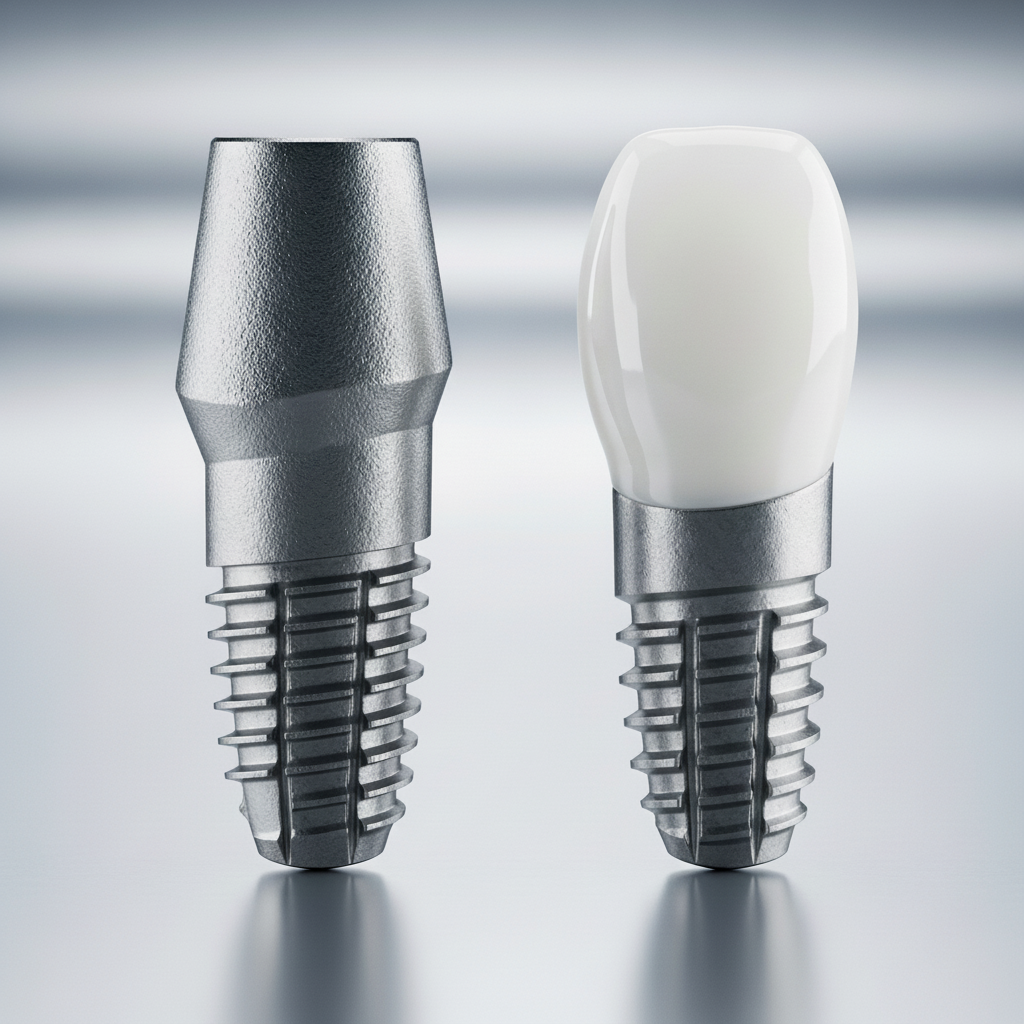
The Gold Standard: Titanium Implants
When dental implants first became a mainstream dental solution, titanium was the material of choice, and for good reason. Its unique combination of strength, light weight, and biocompatibility set a benchmark that is still revered today. Commercially pure titanium and its alloys, particularly Ti-6Al-4V (an alloy containing 6% aluminum and 4% vanadium), are the most commonly used metals in implant dentistry due to their exceptional performance and a track record of success spanning over 50 years.
Biocompatibility and Osseointegration
The single most important property of a dental implant material is its ability to be accepted by the human body without causing an adverse reaction. This is known as biocompatibility. Titanium is exceptionally biocompatible, meaning the body’s immune system does not recognize it as a foreign object and attack it. This acceptance is the foundation for a process called osseointegration. Osseointegration is the remarkable biological mechanism where the living bone of the jaw directly fuses with the surface of the titanium implant. When a titanium implant is placed, a thin, stable oxide layer (Titanium Dioxide) forms on its surface almost instantly. This layer is biologically inert and allows bone cells (osteoblasts) to attach and grow directly onto the implant, effectively locking it into place. This fusion creates an incredibly strong and stable foundation for the replacement tooth, mimicking the root of a natural tooth.
Strength and Durability
The human jaw exerts immense force during chewing, known as masticatory forces. A dental implant must be able to withstand these forces day after day for a lifetime. Titanium and its alloys possess an incredible strength-to-weight ratio, making them more than capable of handling these pressures without fracturing. The material’s high fatigue resistance ensures it can endure millions of chewing cycles over many years. This proven durability is why titanium has been trusted not only in dentistry but also in other medical fields for joint replacements and bone screws. The long-term clinical data on titanium implants is extensive, with studies consistently showing success rates well over 95% after 10 years, making it one of the most reliable procedures in all of medicine.
Advantages and Considerations
The primary advantages of titanium implants are their proven track record, exceptional strength, and high rate of successful osseointegration. They have been the subject of thousands of clinical studies, providing a wealth of data that supports their safety and efficacy. Furthermore, their two-piece design (implant post and a separate abutment) offers greater prosthetic flexibility for dentists when restoring complex cases. The main consideration for some patients is the metallic nature of the material. In extremely rare cases, a patient may have a true allergy to titanium or its alloy components. Additionally, in patients with very thin or receding gum tissue, the dark grey color of the titanium can sometimes be visible at the gumline, creating a subtle aesthetic issue.
The Aesthetic Alternative: Zirconia Implants
Zirconia, or zirconium dioxide, is a high-performance ceramic material that has emerged as a popular metal-free alternative to titanium. Its natural, tooth-like color and excellent biocompatibility have made it an attractive option for patients who are concerned about aesthetics or have sensitivities to metals. While newer to the market than titanium, zirconia has a strong history of use in medical applications, such as in the creation of hip and ear prostheses, and its application in dentistry is supported by a growing body of research.
The Rise of Metal-Free Dentistry
The primary driver behind the popularity of zirconia implants is aesthetics. Because zirconia is white, it eliminates the risk of a dark metal line showing through the gums. This is particularly beneficial for implants in the “aesthetic zone”—the front teeth that are most visible when a person smiles. It provides a more natural-looking result from the foundation up. For patients who follow a holistic health philosophy or have known metal allergies, the concept of a completely metal-free restoration is highly appealing. Zirconia offers a robust and reliable solution that aligns with these preferences without compromising on core function.
Biocompatibility and Soft Tissue Response
Like titanium, zirconia is highly biocompatible and integrates well with bone tissue. Some research suggests that zirconia may have an advantage when it comes to soft tissue (gum) health. According to a scientific review published in the National Center for Biotechnology Information, the surface properties of zirconia may lead to lower plaque and bacterial accumulation compared to titanium. This can contribute to healthier gums around the implant and may reduce the risk of inflammatory conditions like peri-implantitis. The excellent soft tissue response helps create a tight, healthy seal of gum tissue around the implant, which is crucial for long-term stability and aesthetics.
Mechanical Properties and Design
Zirconia is an incredibly strong ceramic, boasting high compressive strength that allows it to withstand chewing forces effectively. However, it has lower fracture toughness than titanium, meaning it can be more brittle under certain types of bending or shearing forces. Early zirconia implants were typically a one-piece design, combining the implant and abutment into a single unit. While simple, this limited the dentist’s flexibility in positioning the final crown. Modern advancements have led to the development of two-piece zirconia systems that are similar to their titanium counterparts, offering much greater restorative freedom.
A Comprehensive Look at Dental Implant Materials
Choosing between titanium and zirconia involves weighing various factors. Both are excellent materials that can provide a stable and long-lasting foundation for a replacement tooth. The best choice depends on the specific clinical situation, patient preferences, and the expertise of the dental professional. The table below provides a side-by-side comparison to help clarify the key differences.
| Feature | Titanium Implants | Zirconia Implants |
|---|---|---|
| Material Type | Metal (Titanium Alloy) | Ceramic (Zirconium Dioxide) |
| Biocompatibility | Excellent, inert material | Excellent, inert material |
| Osseointegration | Extremely high success rate; the gold standard | High success rate; fuses well with bone |
| Strength | Very high tensile strength and fracture resistance | High compressive strength but can be more brittle |
| Aesthetics | Can sometimes show a grey line through thin gums | Excellent; white, tooth-like color prevents discoloration |
| Clinical History | Over 50 years of extensive research and data | Over 15-20 years of research; strong but less long-term data |
| Allergy Risk | Extremely rare, but possible for sensitive individuals | Essentially hypoallergenic, ideal for metal allergies |
| Design | Primarily two-piece, offering high prosthetic flexibility | Available in one-piece and two-piece designs |
The Decision-Making Process: Which Material is Right for You?
The final decision on the best implant material is a collaborative one made between you and your dental surgeon. A thorough evaluation of your oral health, bone density, aesthetic goals, and medical history will guide the recommendation. There is no single “best” material for everyone; there is only the best material for your unique circumstances.
Factors to Consider
Several key factors will influence the material recommendation. The location of the missing tooth is paramount; a front tooth replacement may prioritize the aesthetics of zirconia, while a molar replacement might prioritize the proven strength of titanium. The health and thickness of your gum tissue are also important. If you have thin gums, zirconia can prevent any potential for a greyish hue. Of course, any known history of metal allergies or sensitivities would make zirconia a clear frontrunner. Your dental professional will discuss all these aspects with you during your initial assessment.
The Importance of Expert Consultation

Navigating the technical details of Dental Implant Materials can be complex, but you do not have to do it alone. The most crucial step in the implant journey is a comprehensive consultation with an experienced dental team. A skilled professional can perform the necessary diagnostic scans, assess your jawbone structure, and discuss your goals to recommend the material and treatment plan that will deliver the best possible outcome. To discuss your specific case and receive a personalized treatment plan, it is essential to consult with our experienced team. You can easily schedule a consultation by visiting our contact page. Our experts will guide you through every step, ensuring you feel confident and informed about your path to a renewed smile.